LOFT CONVERSION
How Much Heat Is Lost Through Your Roof? A UK Homeowner Guide
In an uninsulated home, roughly a quarter of heat loss can occur through the roof. The figure is a broad...
Read Guide >
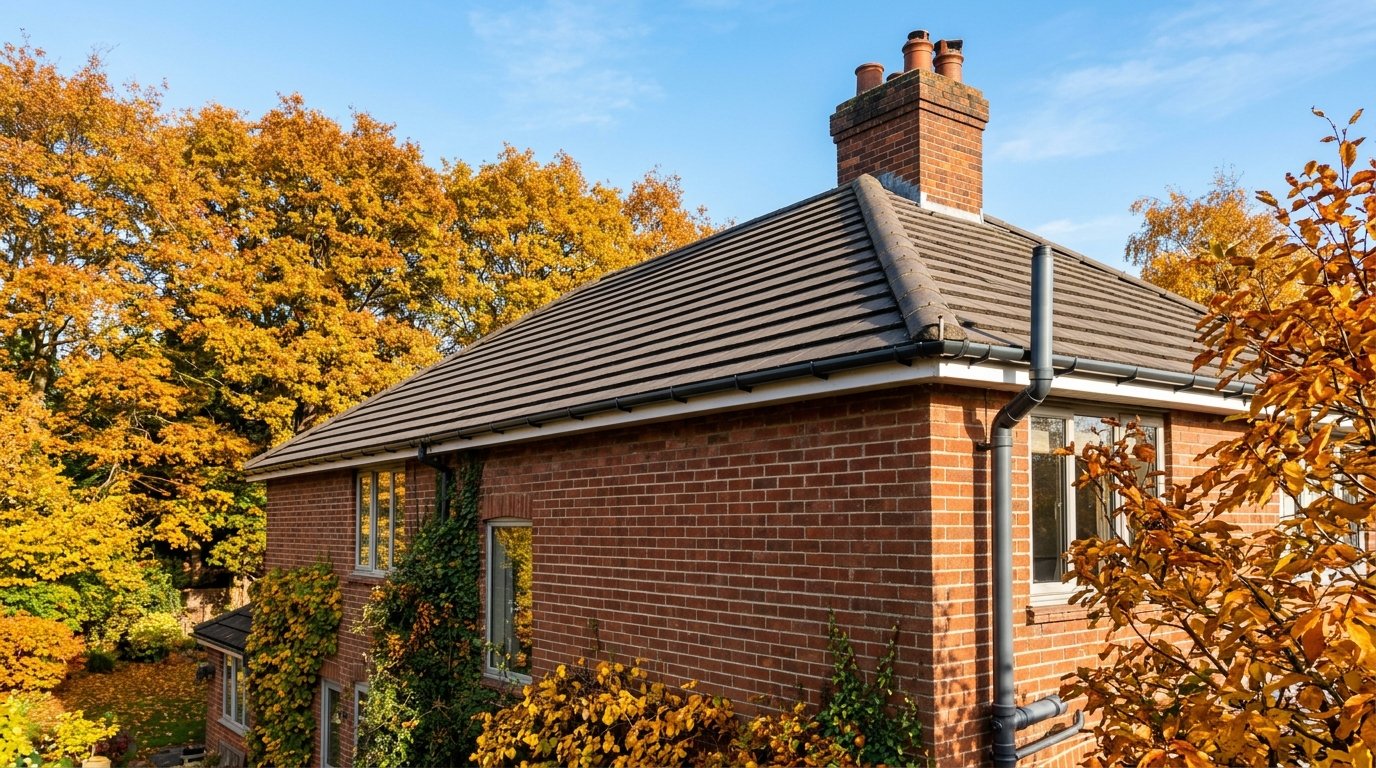
A practical UK roof-maintenance routine is to carry out visual checks in spring and autumn, inspect again after severe storms, keep gutters and downpipes flowing and investigate leaks or changes early. You do not need to climb onto the roof to maintain awareness of its condition; most homeowner checks can be done from ground level and from a safely accessible loft.
The purpose of maintenance is not to make a roof last for a guaranteed number of years. It is to spot local defects, drainage problems and moisture before they become larger repairs.
Winter wind, rain and freeze-thaw conditions can expose weak tiles, flashings and mortar. Spring is a useful time to compare the roof with how it looked before winter.
From ground level, look for slipped slates or tiles, changes at the ridge, damaged verge details and debris in gutters. Pay particular attention to roof junctions around chimneys, dormers and roof windows. If you have had a leak during winter, arrange an inspection even if the stain has dried.
Inside the loft, look for fresh water marks on rafters and underlay. Check insulation for damp areas and smell for persistent mustiness. Condensation can also peak during colder months, so mould or widespread moisture may point towards ventilation rather than a single external leak.
Gutters can collect moss, leaves, tile fragments and wind-blown debris. Blockages cause water to overflow onto fascia boards and walls, and persistent overflow can saturate the roof edge.
Watch gutters during rainfall if possible. Water should flow towards outlets rather than spilling over the front or backing up at corners. From the ground, check downpipes for obvious blockages or staining around joints.
Use safe access for cleaning. If the property is tall, the ground slopes or gutters sit above conservatories and extensions, a professional gutter-cleaning service can be safer than a ladder.
Dry summer weather is a good time for planned roof repairs because contractors have longer daylight hours and more reliable working conditions, although British weather is never completely predictable.
Use the season to review roof windows, flashings and seal details for visible deterioration. Check external timber at fascias and soffits where accessible from the ground. Flaking paint may be cosmetic, but soft or rotten timber needs more attention.
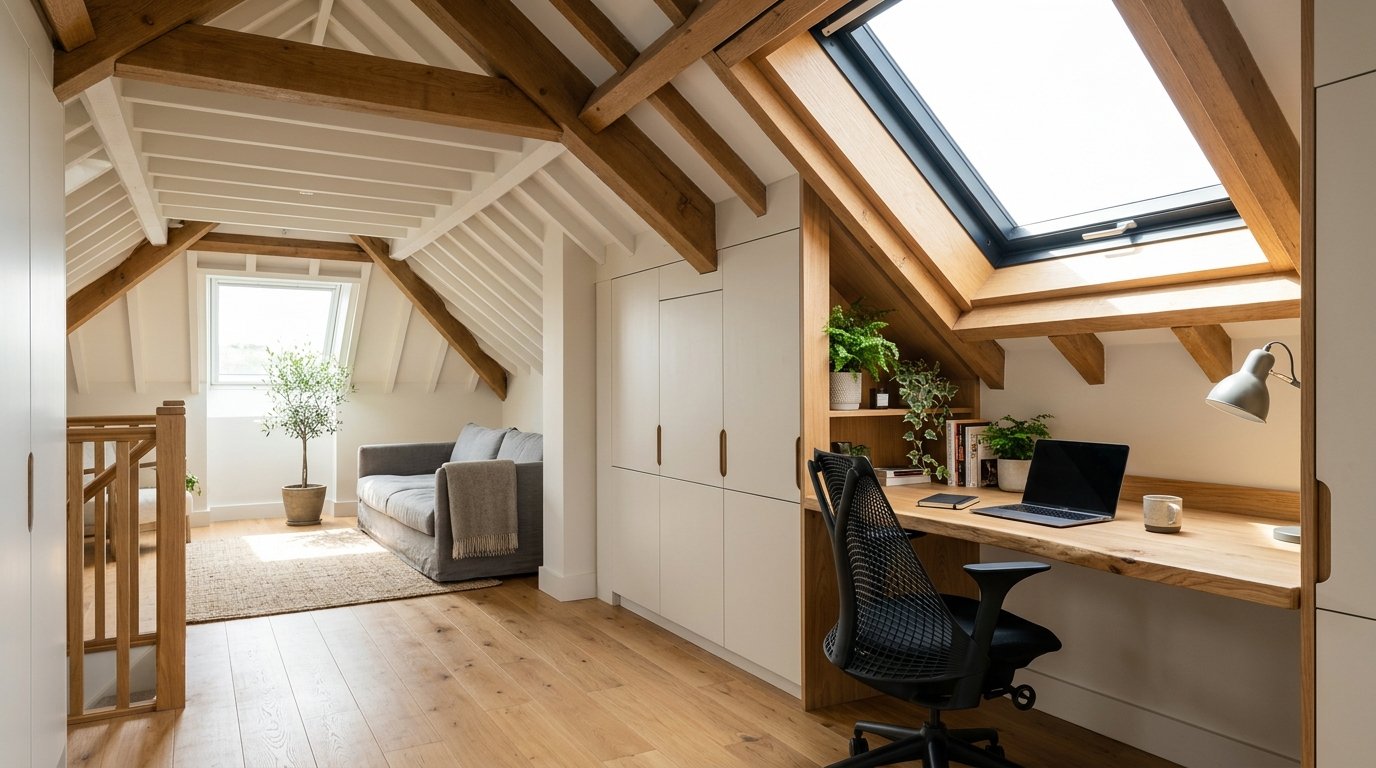
In the loft, summer can reveal overheating problems. A converted loft that becomes excessively hot may need better shading, ventilation or glazing management. Insulation helps resist heat flow, but it does not replace a summer comfort strategy.
If spring inspections revealed repeated defects, summer gives you time to obtain quotations and plan access before the next winter. Do not wait for an active leak to become an emergency if the roof already shows widespread problems.
Our guide to 10 signs your roof may need repair or renovation explains how repeated leaks, deteriorated flashings, sagging and multiple patches can point towards broader work.
If you are also considering a loft conversion, coordinate the roof-condition survey with the conversion design. It may be possible to combine scaffold access and roof work, but only if the scope genuinely requires it.
Autumn is one of the most important maintenance periods because leaves and debris can quickly block gutters and outlets. Clear drainage before long periods of heavy rainfall, particularly if the house sits near mature trees.
Check valleys where leaves can collect. Do not climb onto the roof to remove them yourself unless you have appropriate professional access and training. A roofing contractor can clear difficult areas safely while checking the surrounding coverings.
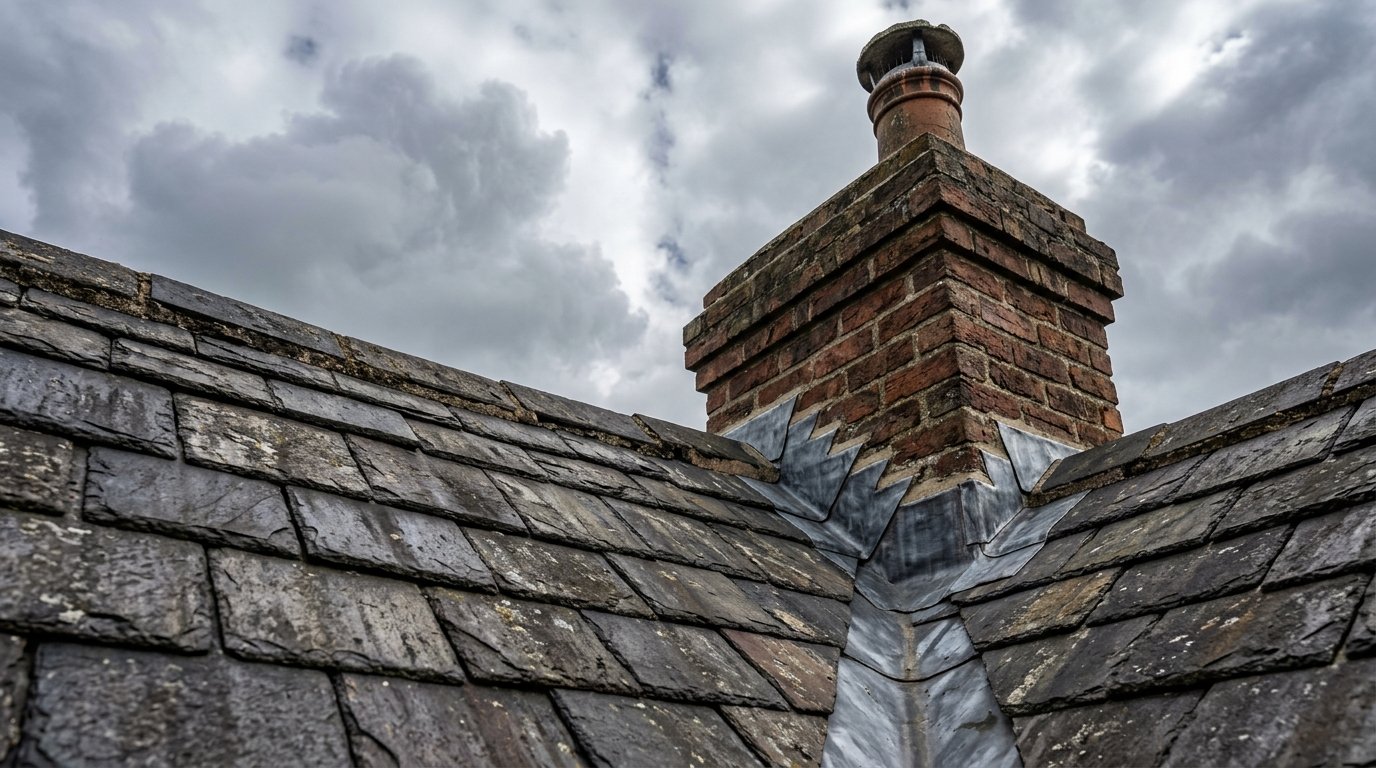
Inspect chimney flashings and roof edges again. Wind-driven rain often exposes weaknesses that remain unnoticed in calm summer weather.
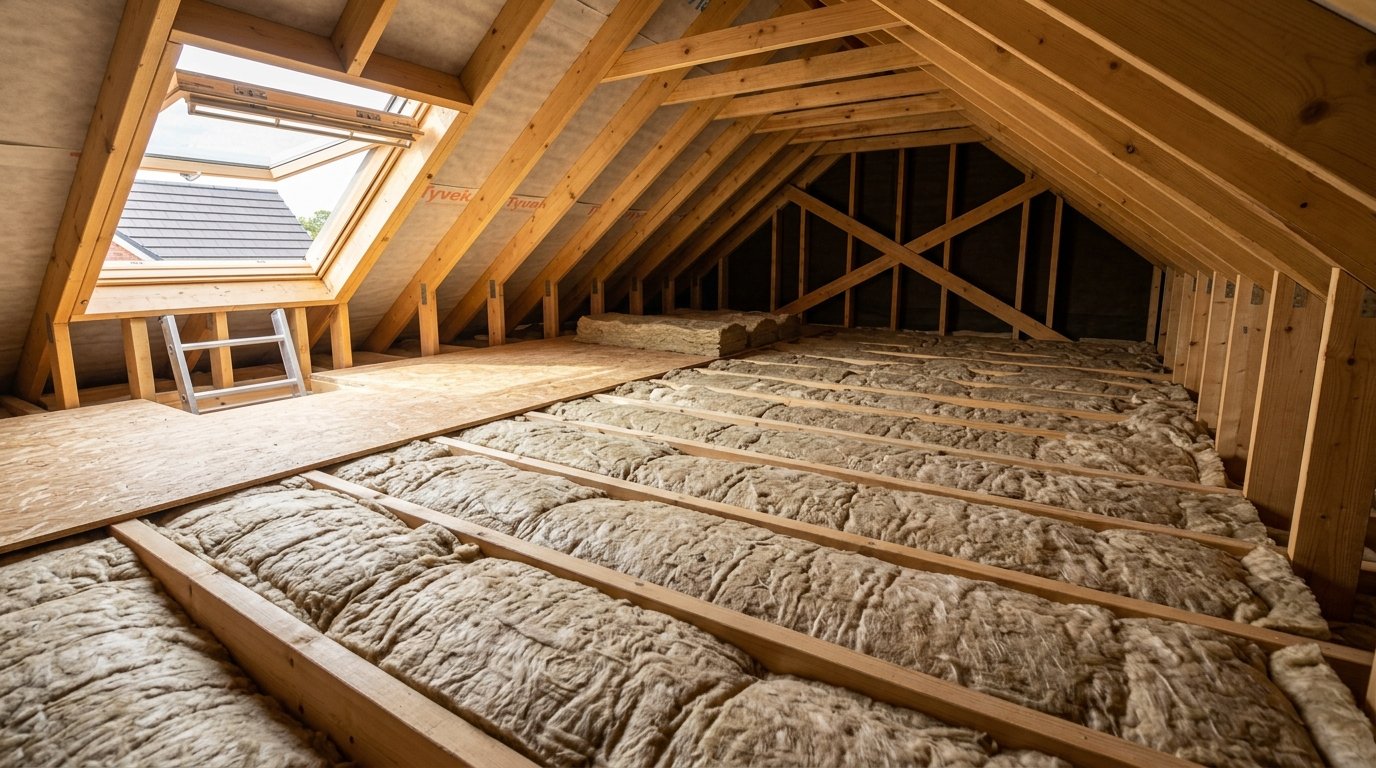
Before the heating season, inspect the accessible loft insulation. Look for areas that have been moved, compressed by storage or damaged by water. Check that storage boards are not simply squashing a thick insulation layer.
Energy Saving Trust guidance commonly recommends around 270mm of mineral-wool loft insulation in straightforward cold lofts. Our article on the benefits of loft insulation covers the detail and explains why ventilation and moisture should be considered at the same time.
Make sure bathroom and kitchen extractor ducts discharge outdoors rather than into the loft. Warm moist air released into a cold roof space can cause condensation during winter.
Winter is not the season for casual roof access. Frost, rain, short daylight hours and high winds make conditions more hazardous. Homeowner maintenance should focus on observation and rapid reporting of problems.
After storms, check the roof from ground level for slipped tiles or obvious damage. Look at the garden and gutters for fragments of slate, tile or mortar. Inside, inspect known vulnerable areas after heavy rain.
If water is entering the property, contain the internal damage where safe and contact a roofer. Avoid climbing onto a wet roof or attempting temporary repairs from an unsecured ladder.
Strong winds can lift tiles, damage ridge details and disturb flashings. Falling branches can crack coverings even when the damage is not obvious from the ground.
Start outside with binoculars. Compare each slope and look for new gaps or irregular lines. Check gutters for broken material. If a chimney, aerial or roof-mounted equipment appears to have moved, arrange an inspection.
Then check the loft. Water may not appear immediately in the room below because insulation can absorb it temporarily. Fresh damp around penetrations, rafters or chimney masonry can identify a problem early.
Chimneys create several maintenance points: flashings, mortar joints, pots, caps and masonry. Movement or weathering can allow water into the roof junction.
From ground level, look for leaning pots, missing mortar or vegetation growing from joints. Internal damp around a chimney breast can come from flashing defects, porous masonry, condensation or unused-flue issues, so diagnosis is important.
A roofer can inspect flashings, while a chimney specialist may be needed for flue or masonry work. The correct trade depends on the symptom.
Roof windows and dormers need clear drainage channels; see our loft conversion guides for dormer maintenance details. Check the internal reveals for staining or condensation. Persistent water around a roof window may come from external flashing, blocked drainage paths, seal failure or internal condensation.
Dormers add flat or low-pitch roof areas, vertical cheeks and extra junctions. Inspect their edges from ground level where visible and monitor the internal corners for staining.
These details are especially relevant to converted lofts. Hallam Headway’s loft conversion service includes roof and structural work, which helps coordinate the conversion envelope rather than treating each element in isolation.
A small amount of moss does not automatically mean a roof is failing. Heavy growth can retain moisture, block gutters and make inspection more difficult, but aggressive cleaning can also damage roof coverings.
Avoid pressure washing tiles without specialist advice. High-pressure water can damage surfaces and force water beneath laps. Chemical treatments need to be compatible with the roof material and drainage environment.
If moss is causing gutter blockages or hiding defects, ask a roofer about appropriate removal rather than choosing a method based only on appearance.
Branches that rub against roof coverings can damage surfaces and deposit debris. Large overhanging limbs can also create storm risk.
Keep vegetation monitored, but use a competent tree professional for significant pruning. Do not climb onto a roof to cut branches. Climbing plants around gutters and roof edges should also be controlled because they can hide defects and obstruct drainage.
After pruning, recheck gutters because leaf and twig debris often increases temporarily.
Photograph the roof from the same ground-level positions each year. This creates a useful record of changes in ridge lines, coverings and flashings. Note the dates of leaks, storms and repairs.
Keep contractor invoices and photographs of hidden work. If the roof is later renovated or the loft converted, that history helps the next contractor understand what has already been done.
A maintenance record is also useful when selling because it demonstrates that defects have been monitored and addressed rather than ignored.
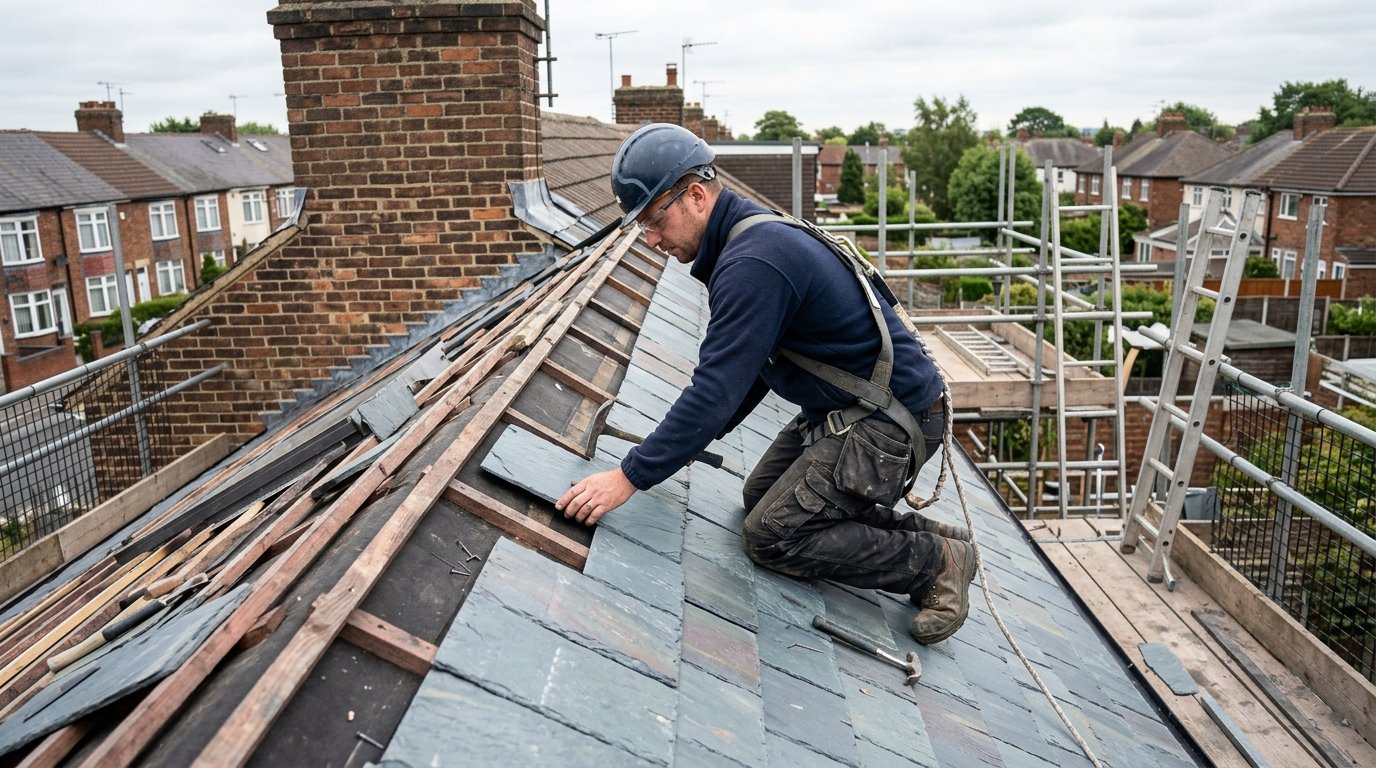
Maintenance is intended to keep a serviceable roof working. If the same areas repeatedly fail, repairs become widespread or structural defects appear, the question changes from “how do I maintain this?” to “what scope of renovation is justified?”
Do not wait for an arbitrary roof age. Condition is more important. Ask for an inspection that explains which layers are failing and which remain sound.
If a major renovation is recommended, obtain a detailed written scope. It should identify coverings, underlay, battens, flashings, timber repairs, ventilation, insulation and access where relevant.
A ground-level visual check in spring and autumn, plus an additional check after severe storms, is a practical routine for many homes. Properties with older roofs or known defects may need closer monitoring.
No. Most homeowner checks can be done from ground level with binoculars and from a safe loft access point. Roof access should be left to people with suitable equipment and experience.
Clean them when debris builds up and before periods of heavy rainfall. Homes near trees may need more frequent attention, particularly in autumn.
Moss is not automatically a sign of failure, but heavy growth can hold moisture and block drainage. Avoid aggressive cleaning methods that could damage the roof covering.
Check the roof from the ground, look for fallen roof material, inspect gutters and examine the loft for fresh moisture. Arrange a professional inspection if you see damage or new leaks.
No fixed lifespan can be guaranteed. Maintenance helps identify and address defects early, which can support the roof’s condition, but material quality, weather exposure, installation and age all affect longevity.
Your quote request has been successfully submitted. Our team will review your project details and contact you within 24 hours.
Wish to get in touch right now?
If you have an urgent inquiry or want to discuss your project immediately, please call our team directly:
Call 07521 101750