LOFT CONVERSION
How Much Heat Is Lost Through Your Roof? A UK Homeowner Guide
In an uninsulated home, roughly a quarter of heat loss can occur through the roof. The figure is a broad...
Read Guide >
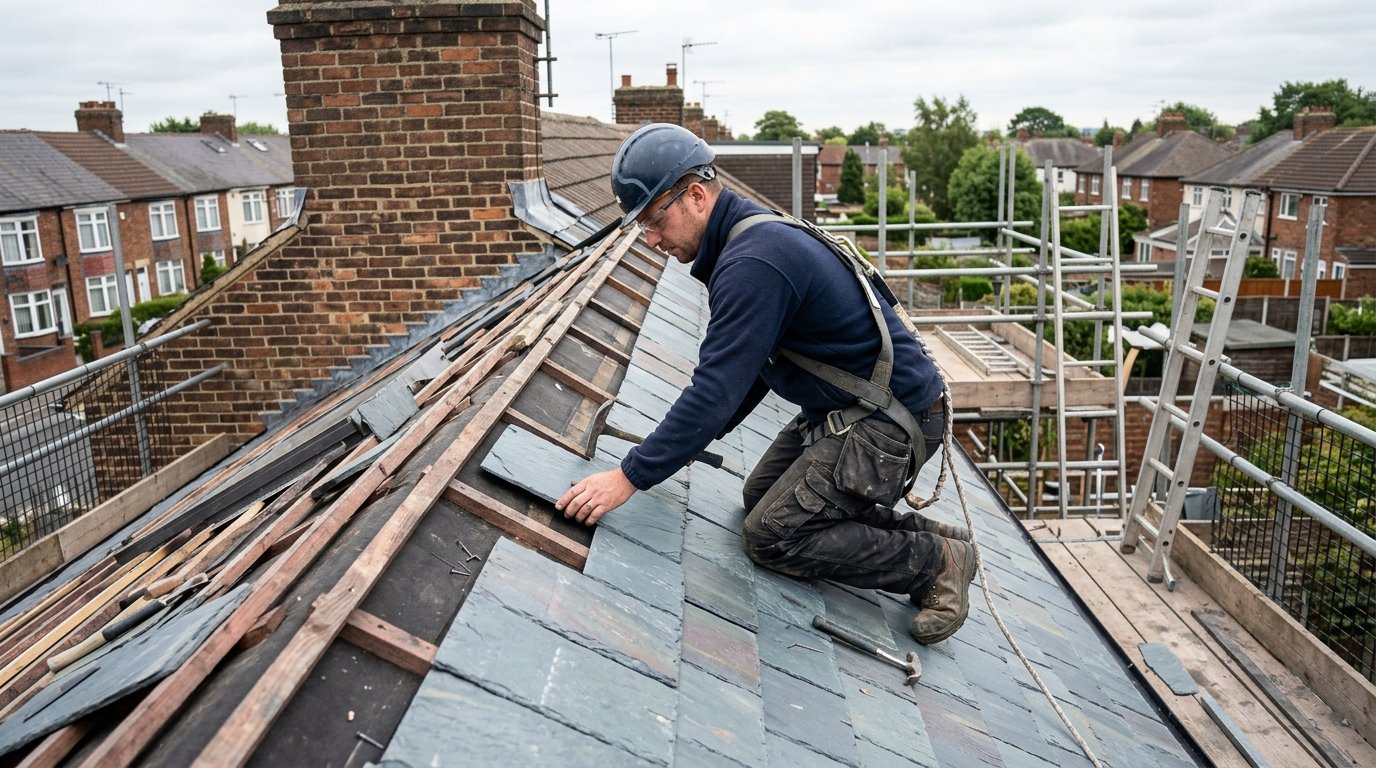
Minor ground-level maintenance and visual checks can be suitable for a competent homeowner, but roof renovation, structural repairs, work around chimneys and significant tile or slate replacement are normally jobs for experienced roofing professionals. The deciding factors are not just skill and cost: working at height, weatherproofing details, hidden structural damage and the consequences of a failed repair make roof work unusually high risk.
A sensible approach is to separate safe homeowner maintenance from construction work. You can monitor your roof, clear accessible ground-level drainage points and keep records of defects. When work requires climbing onto the roof, opening the roof covering or altering structure, professional assessment is usually the safer and more reliable route.
Painting a room can be redone if the finish is poor. A roof repair that fails may allow water into insulation, ceilings, electrics and structural timber before the problem becomes visible. That difference in consequence is important when deciding whether to tackle the work yourself.
Roofs are also systems rather than collections of individual tiles. The covering, battens, underlay, flashings, valleys, ridges, ventilation and drainage details all work together. Replacing one visible broken tile may be straightforward in principle, but the reason it broke and the condition beneath it can be more important than the surface defect.
Then there is access. Falls from height are a serious risk, and a pitched roof can become slippery quickly in damp or windy conditions. Improvised ladders and temporary footholds are not substitutes for proper access equipment and safe working methods.
“roof renovation” can mean different things. At the lighter end, it may involve replacing isolated damaged tiles or slates, repairing mortar at ridges, renewing flashings or addressing local underlay defects. At the heavier end, it can mean stripping large roof areas, replacing battens and membranes, repairing rafters, upgrading insulation and renewing the covering.
The greater the area opened up, the more important sequencing and temporary weather protection become. A contractor needs to keep the house protected while work progresses and understand how new materials integrate with the existing roof.
If your roof has repeated leaks or multiple signs of deterioration, our guide to 10 signs a roof may need renovation can help you decide whether you are dealing with an isolated maintenance issue or a broader problem.
There are useful roof-care tasks that do not require standing on the roof. You can inspect roof slopes from the ground using binoculars, especially after storms. Look for slipped or missing tiles, damaged ridge areas, lifting flashings and changes in the roofline.
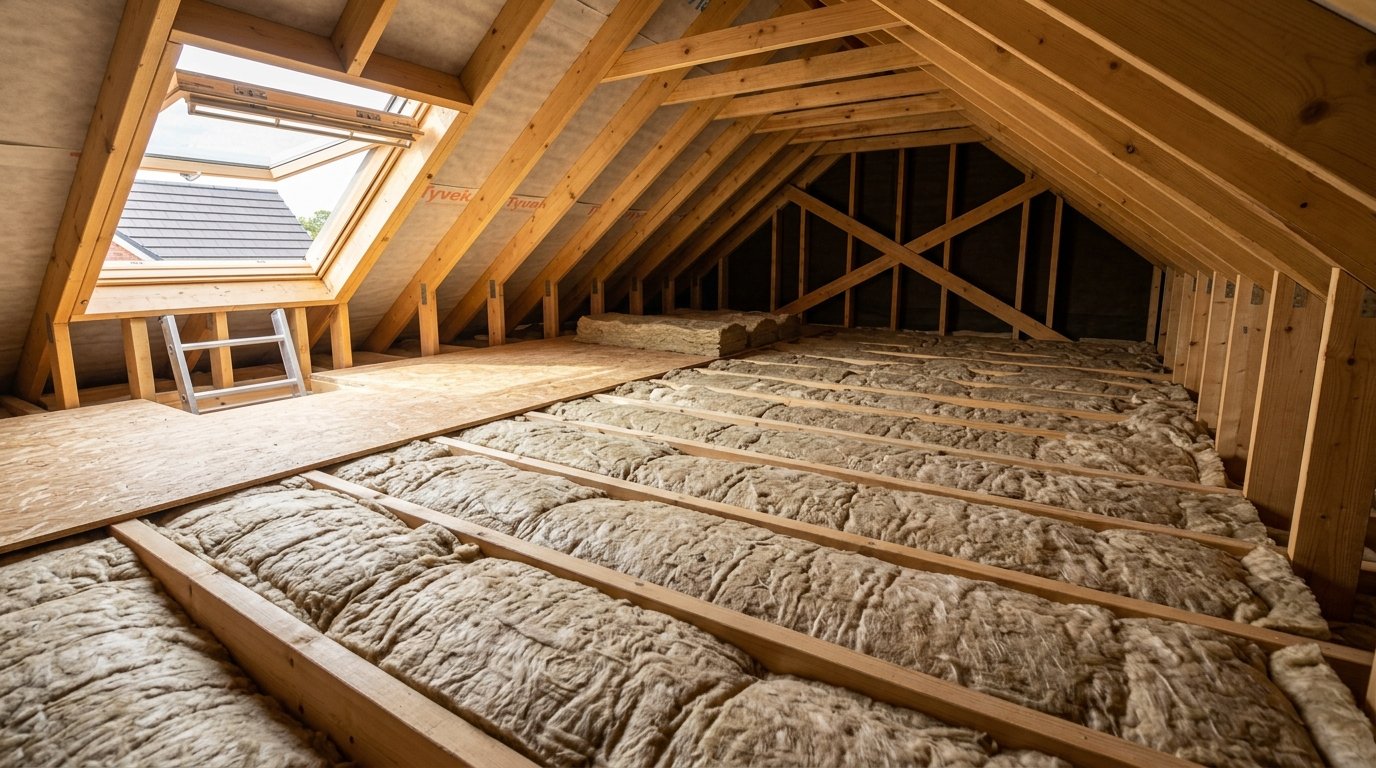
You can also inspect the loft internally if access is safe. Look for fresh staining, damp insulation, daylight through unexpected gaps and signs of condensation. Note when leaks appear because wind direction and rainfall intensity can help a roofer trace the source.
Gutters can sometimes be maintained from safe, appropriate access, but even this should not be treated casually. If reaching the gutter requires overreaching, an unstable ladder or working above a conservatory, hire someone with the right equipment. Ground-level gutter-vacuum systems can be a safer option in some cases.
Any job that requires extensive work at height is the obvious starting point. Professional roofers use access systems, scaffolding and procedures suited to the building. They are also better placed to protect the roof temporarily if weather changes while the covering is open.
Structural concerns are another clear trigger. A sagging ridge, deflected rafters, spread in the roof, rot around timber bearings or major movement around a chimney requires diagnosis rather than a surface patch. A roofer may also recommend input from a structural engineer where appropriate.
Recurring leaks deserve professional investigation too. Water can travel along underlay, rafters or masonry before appearing on a ceiling, so the visible stain is not always directly beneath the defect. Repeatedly sealing the obvious point can waste time while the true cause remains.
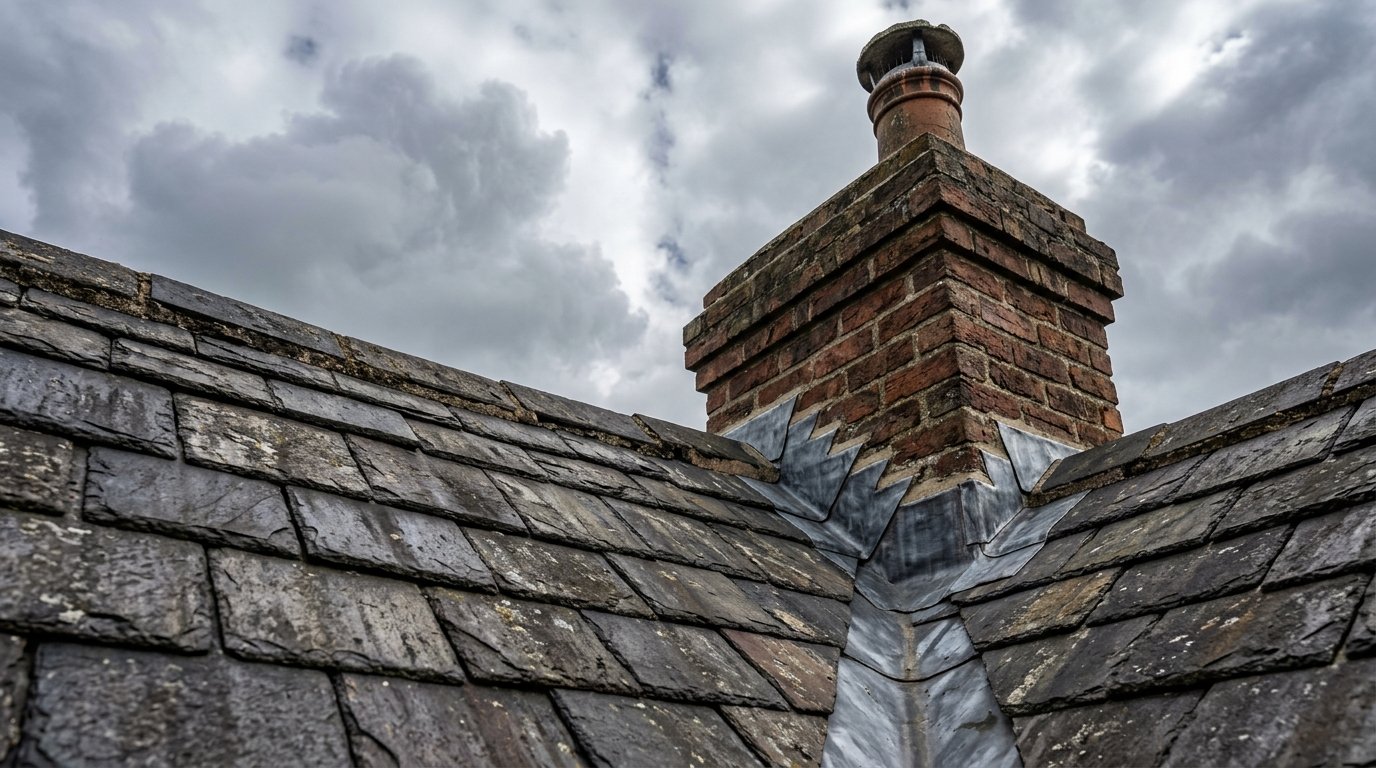
Many roof leaks occur at junctions rather than in the middle of an otherwise sound slope. Chimney flashings, roof valleys, abutments, dormer cheeks and roof windows all concentrate water and rely on careful detailing.
These areas are difficult to repair well without understanding how water should be directed through the layers. Sealant applied over a failing flashing may hide the symptom temporarily without restoring the correct weathering detail. In some cases it can trap water or make later repair more difficult.
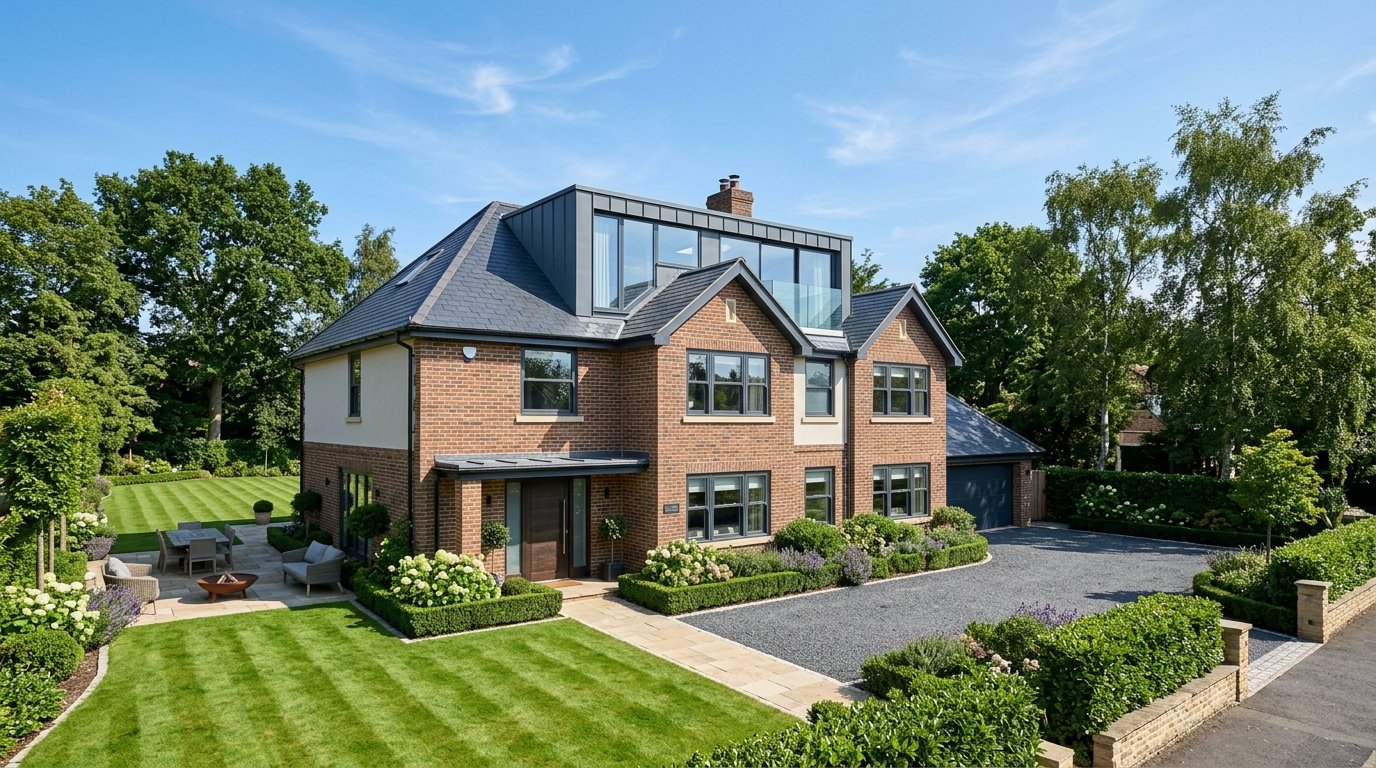
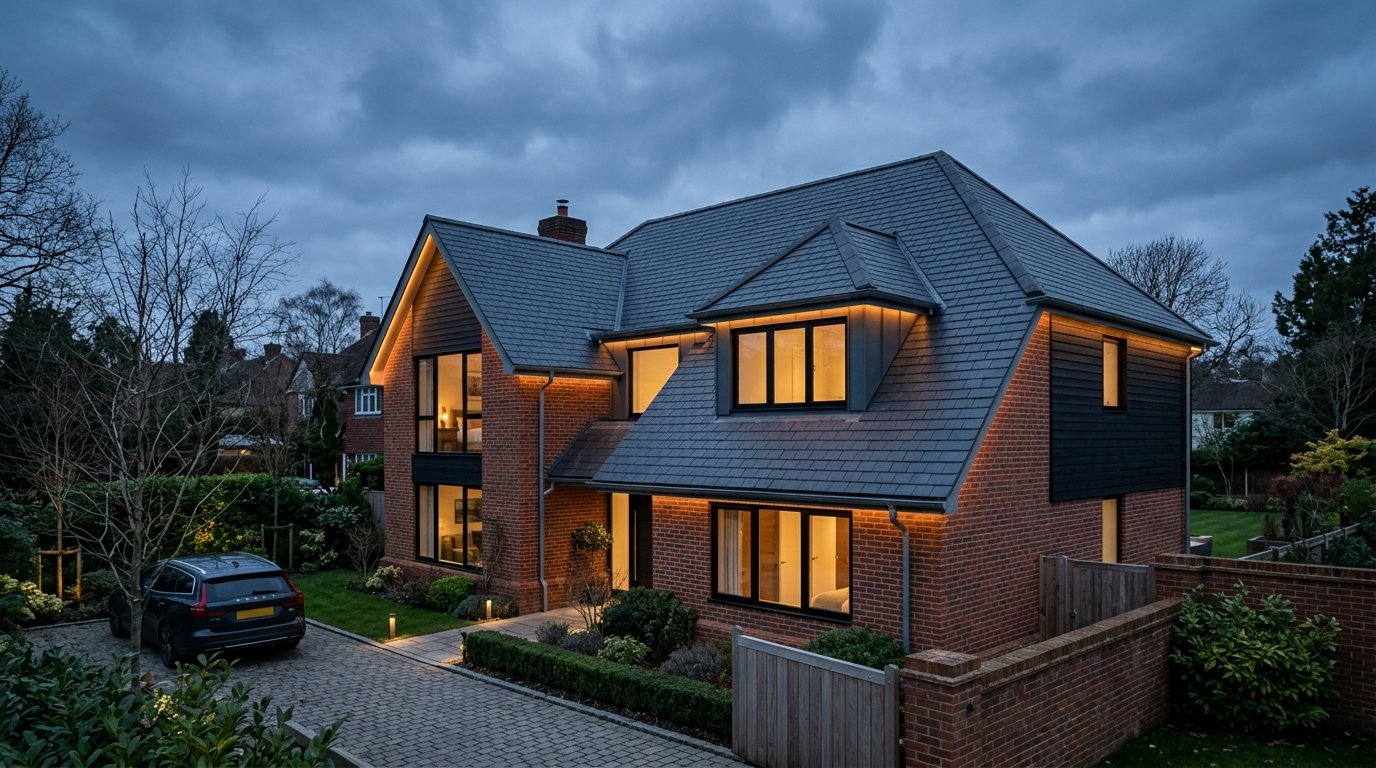
Hallam Headway’s combination of roofing and loft conversion work is particularly relevant where defects occur around dormers, roof windows or converted roof spaces, because the external covering and internal construction need to be considered together.
Before undertaking major roof work yourself, check your buildings insurance and any existing roof or product warranties. Policies and warranties vary, and poor workmanship or unrecorded alterations can complicate later claims.
If you employ a contractor, ask for a written scope that identifies what will be removed, replaced and retained. Clarify how unexpected timber damage will be handled, what access is included and what happens if the roof cannot be made weatherproof in one day.
Documentation is useful later, particularly if the property is sold or if further loft work is planned. Photos of the stripped roof, underlay, battens and structural repairs provide a record of conditions that will otherwise be hidden when the covering is complete.
DIY can appear cheaper because labour is removed from the initial calculation. But a fair comparison includes access equipment, waste disposal, tools, delivery, safety equipment and the value of time. It should also account for the cost of correcting a failed repair.
Professional work is not automatically good work, so contractor selection still matters. A detailed quotation, appropriate insurance, clear communication and evidence of similar completed work are more useful than choosing purely on the lowest figure.
Hallam Headway does not recommend judging roof work by a guaranteed saving or fixed national price. Roof size, access, covering type, structural condition and scaffold requirements can change the scope substantially.
If the roof covering is being stripped, it may be an opportunity to review insulation and ventilation. The correct approach depends on whether the loft remains unheated storage or is becoming living accommodation.
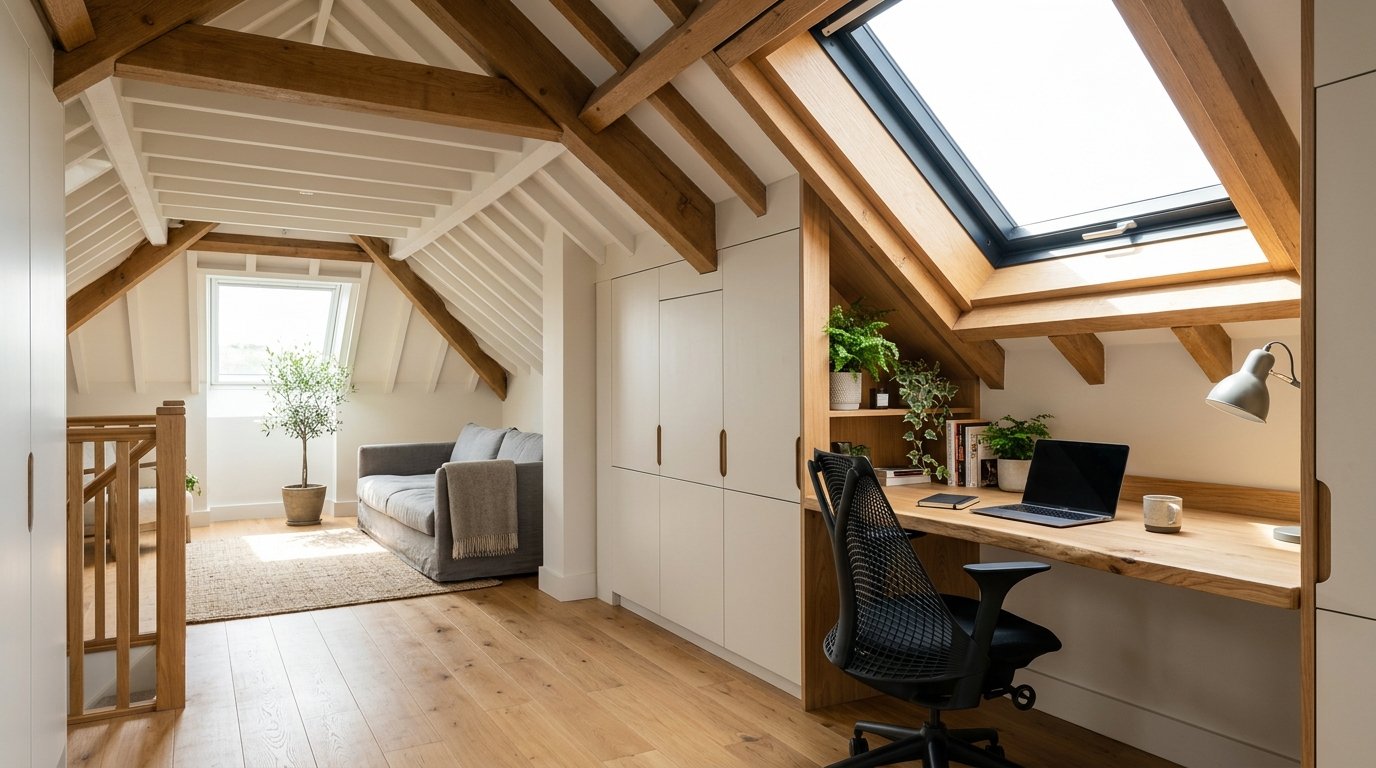
For a cold loft, insulation is usually concentrated at ceiling level and ventilation is maintained above it. For a converted loft, the thermal envelope moves to the roof slopes and associated walls. That can affect rafter build-up and roof detailing.
Our articles on the benefits of loft insulation and how much heat can be lost through the roof cover the energy side in more detail. Combining related work can be efficient, but only when the construction is designed properly rather than improvised while the roof is open.
Start by describing the symptoms rather than prescribing the repair. Tell the contractor where water appears, when it happens and whether previous repairs have been attempted. A good inspection should look beyond the visible stain.
Ask for the proposed scope in writing. For larger renovation work, the quotation should distinguish roof covering, membrane, battens, flashings, ventilation, timber repairs, insulation, scaffolding and waste where relevant. It should also explain how variations will be agreed if hidden damage is found.
Request evidence of insurance and recent comparable work. Reviews are useful, but project photographs and a clear technical explanation can tell you more about how a contractor approaches roofing details.
Stop and reassess if removing one tile reveals rotten battens, damaged underlay or widespread moisture. The same applies if you discover cracked rafters, a sagging deck, badly deteriorated leadwork or signs that a previous repair has redirected water elsewhere.
Weather is another factor. If a task cannot be completed and made watertight before conditions change, the risk increases quickly. Temporary coverings need to be secured properly and designed to shed water rather than simply draped over the opening.
If you feel uncertain about access, do not treat that as a challenge to overcome. It is a valid reason to bring in professional help.
Inspect the roof visually from ground level in spring and autumn and after significant storms. Check gutters and downpipes for overflow, especially during rainfall. Look in the loft for new staining and make a note of whether it is active or historic.
Keep trees and climbing plants monitored where they contact roof edges or gutters. Avoid pressure washing roof coverings or aggressively removing moss without understanding the material, because some treatments can damage tiles or push water beneath laps.
Keep records of previous repairs and roof age if known. If you are planning a loft conversion, arrange a roof-condition review early so structural and covering work can be coordinated. Finally, obtain professional advice when defects are repeated, structural, difficult to access or located around complex junctions.
A competent person may be able to deal with very minor work, but safe access is the main issue. If the tile is high, the pitch is steep or the surrounding roof is fragile, professional repair is the safer choice.
Roof coverings can crack, slip or be difficult to load safely, and the fall risk is significant. Homeowners should not assume a tiled roof is safe to walk on without appropriate equipment and experience.
Sealant may be used in some systems, but applying it over failed flashing is not a substitute for correct detailing. Persistent leaks around chimneys, valleys and abutments should be properly assessed.
The decision depends on the extent of defects, condition of the covering and underlayers, structural condition and history of previous repairs. Multiple widespread issues make broader renovation more likely, but an inspection is needed.
It can be a good opportunity, but the insulation strategy must suit the roof construction and whether the loft is heated. Ventilation and moisture control should be planned at the same time.
The upfront labour cost is higher, but a fair comparison includes scaffolding, tools, waste, safety equipment, time and the risk of remedial work. The best decision is based on scope and risk, not labour cost alone.
Your quote request has been successfully submitted. Our team will review your project details and contact you within 24 hours.
Wish to get in touch right now?
If you have an urgent inquiry or want to discuss your project immediately, please call our team directly:
Call 07521 101750