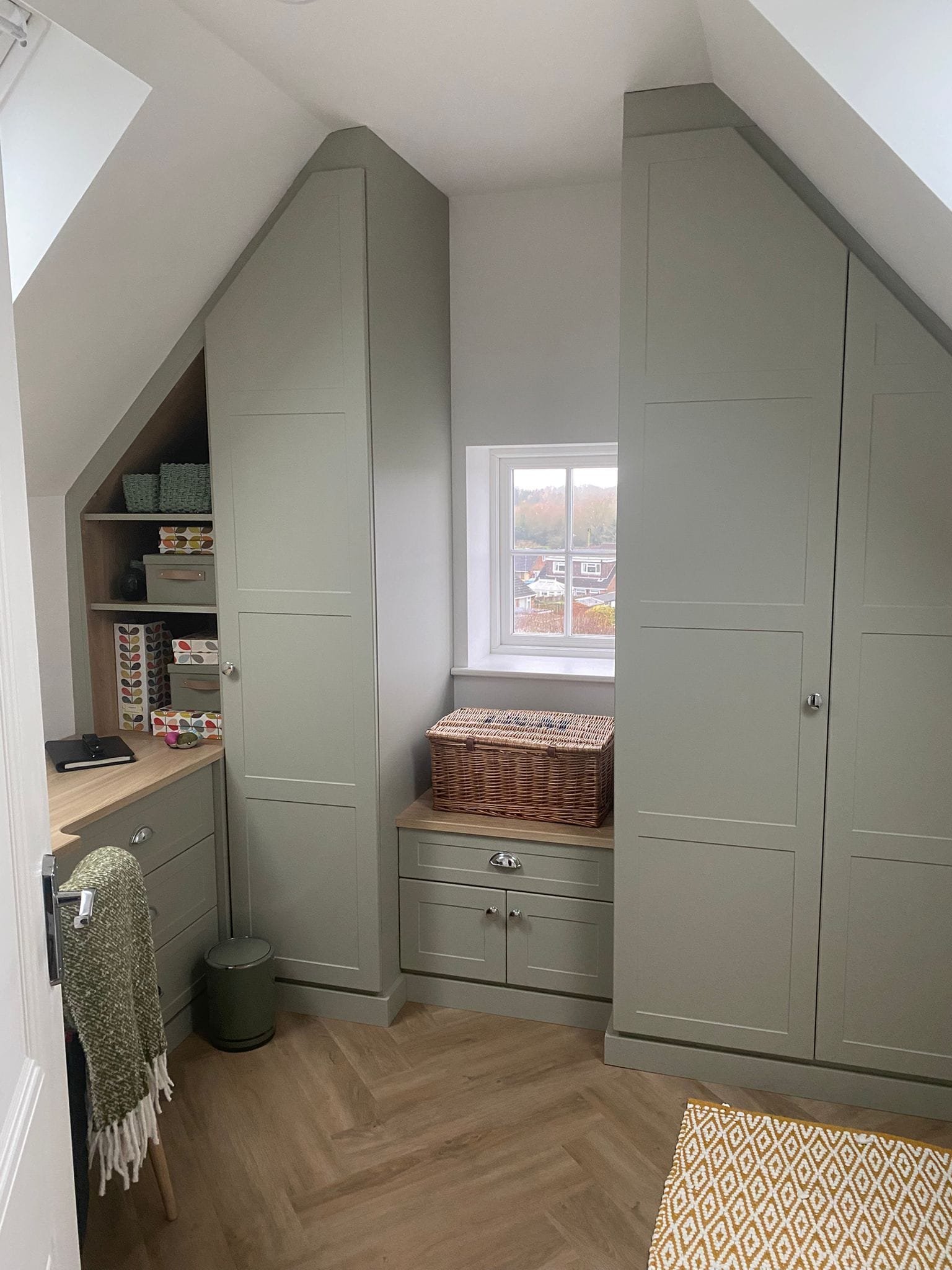
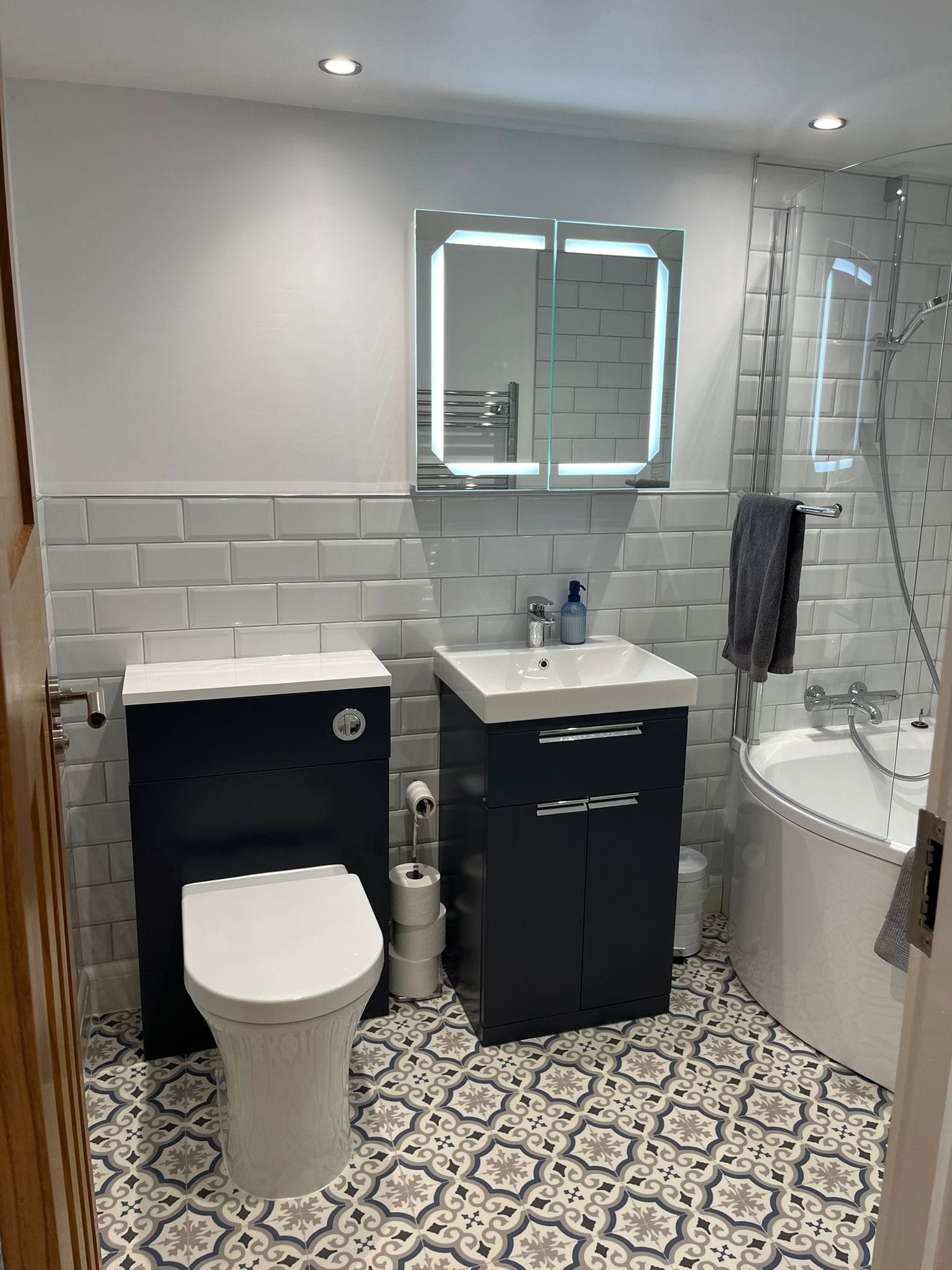

Specialist Loft Conversions in Staffordshire

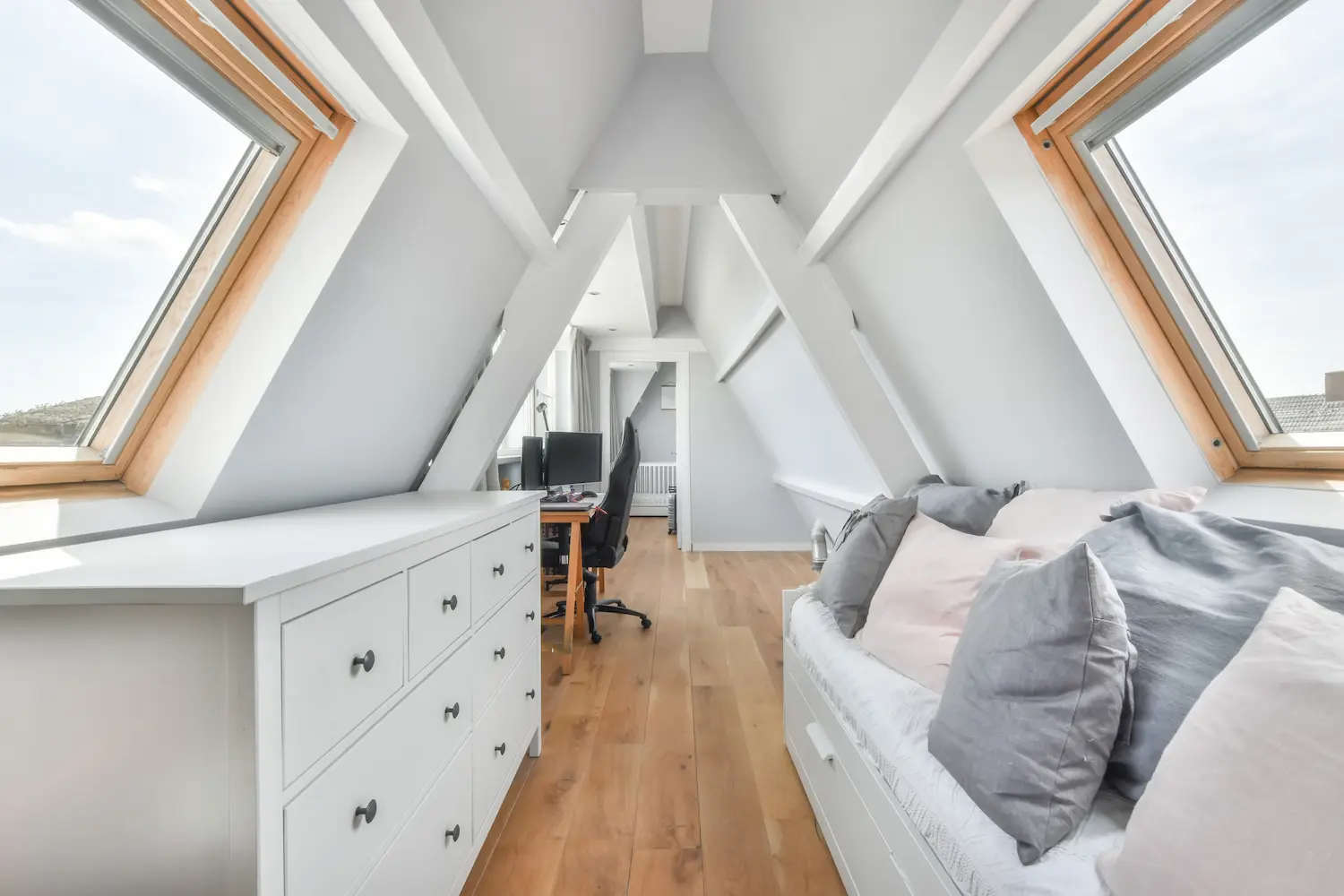
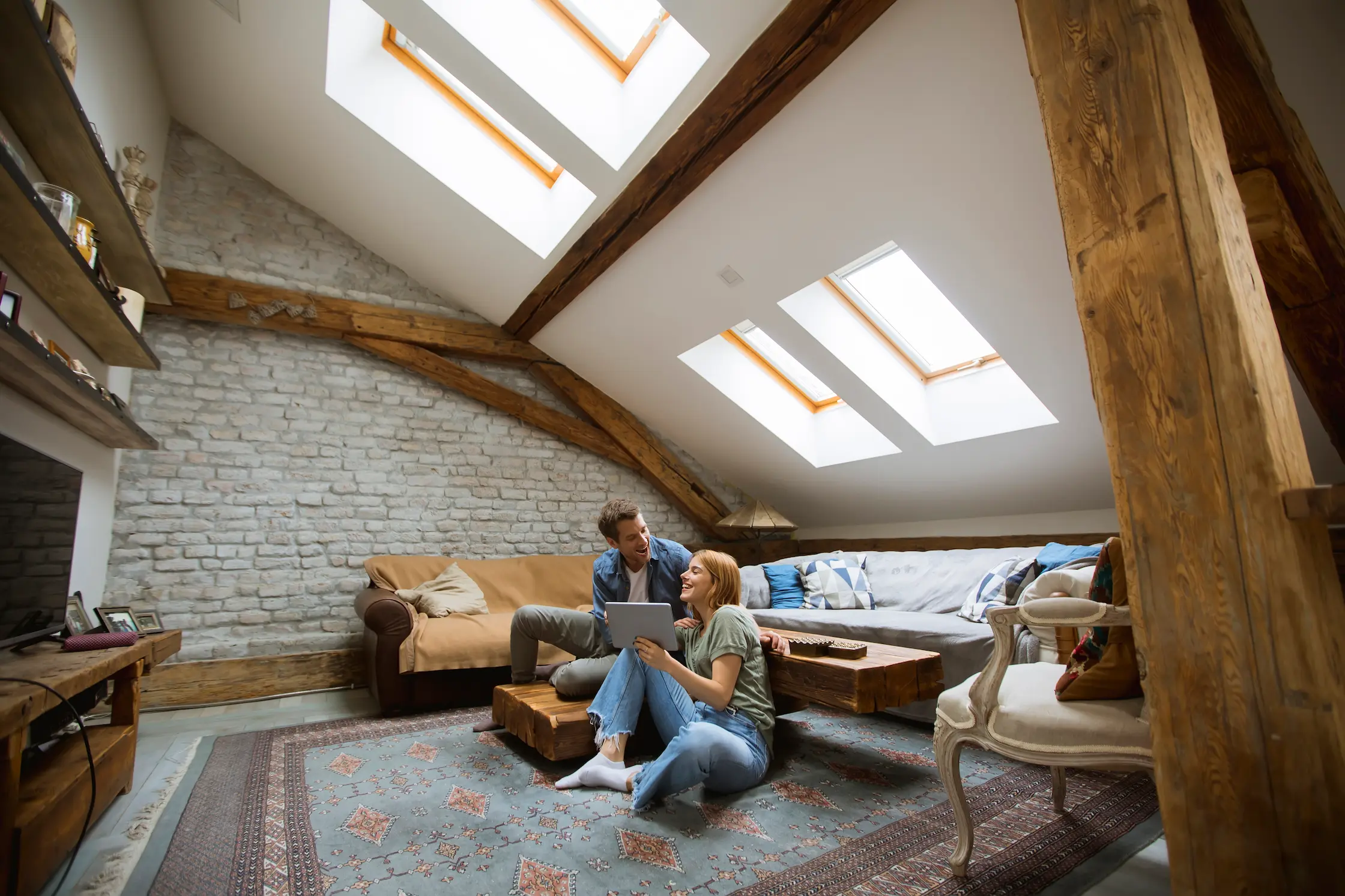
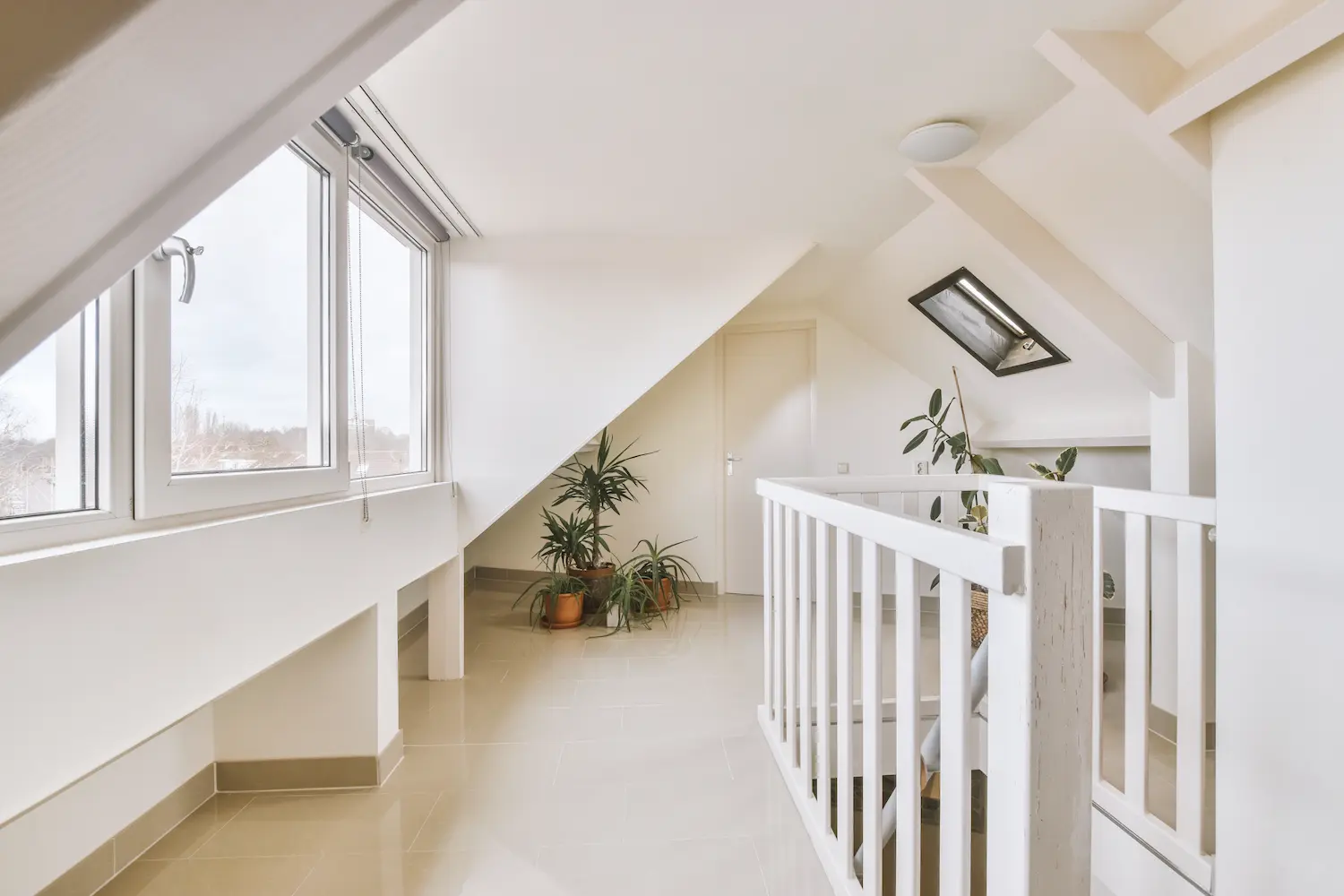
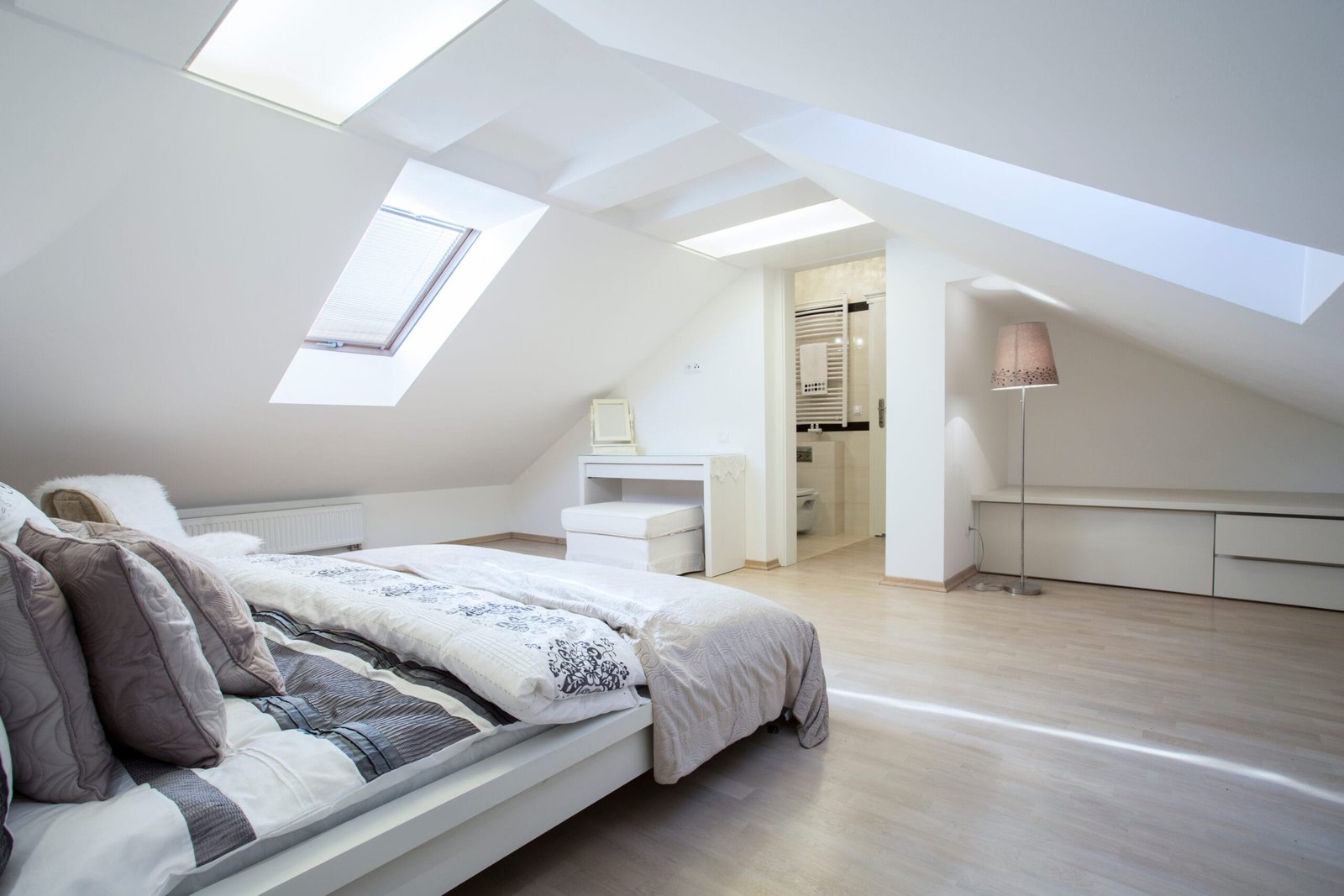
We help homeowners across Staffordshire transform underused lofts into bright, practical and beautifully finished spaces.

Popular Loft Conversions in Staffordshire

Shell Loft Conversions

An option where the main structural work is completed, set for you to finish internally.

Dormer Loft Conversions

A practical way to increase internal head height and usable floor space.

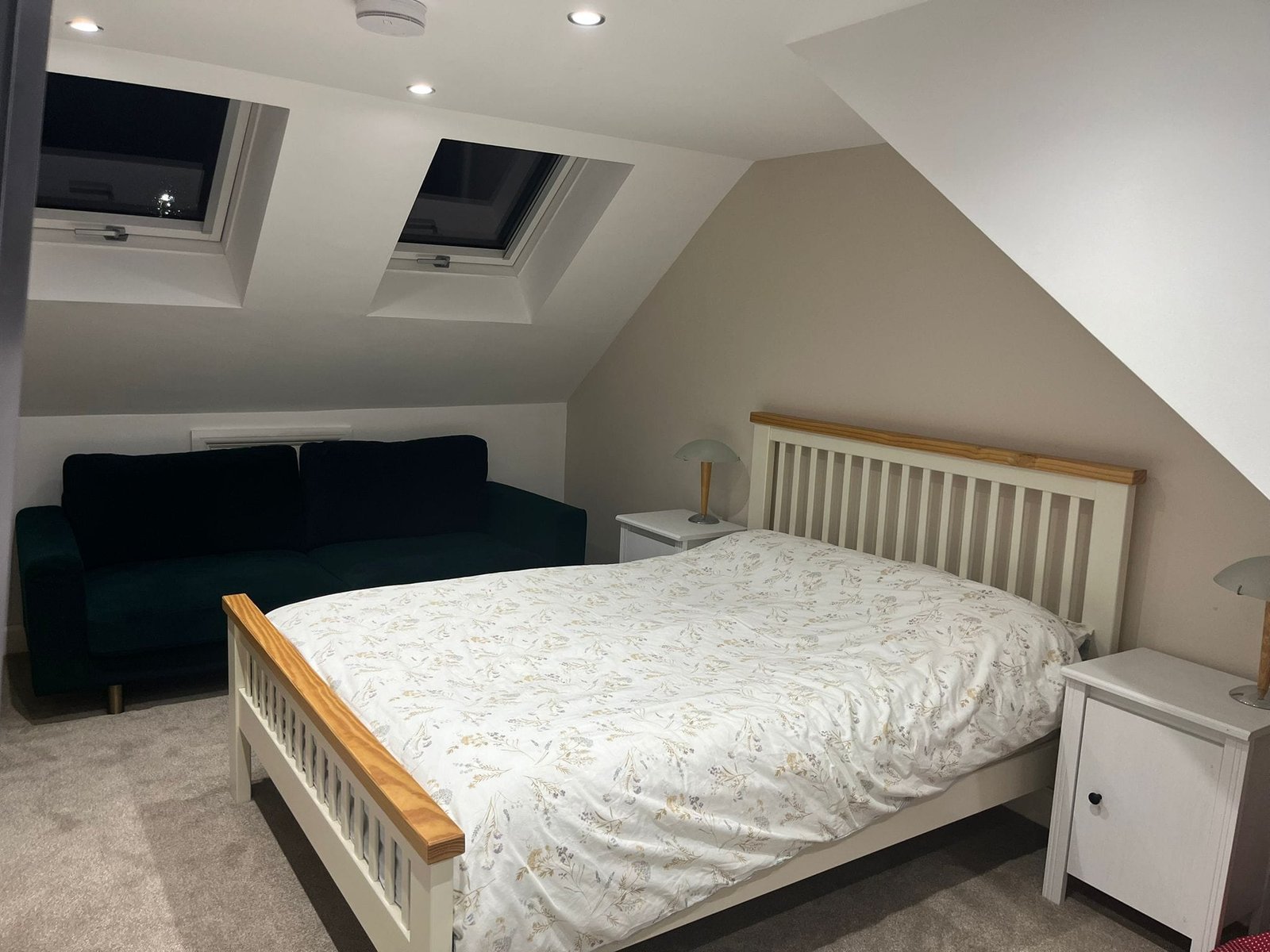
Velux Loft Conversions

Suitable for roofs with enough headroom, using roof windows to introduce natural light

Hip-to-Gable Conversions

Extend the sloping side of the roof to create a larger internal area.

Our Staffordshire Loft Conversion Process

Initial Consultation

We start with a free consultation where we discuss your needs, and explore ideas for your loft. Whether you want an extra bedroom, office, or bathroom, we help you envision the possibilities.

Design and Planning

We'll guide you through the various options and ensure the design suits your home and needs. If planning permission is needed, we'll handle the application for you.

Approval and Regulations

Once you're happy with the design, we’ll submit any necessary applications to your local council for approval. We’ll also ensure the project complies with all building regulations for safety and quality.

Pre-Construction Prep

Once all approvals are in place, we’ll prepare the loft space. This involves clearing the area, setting up scaffolding if needed, and organising materials. We’ll also provide you with a detailed timeline so you know what to expect.

Construction

Our skilled team will carry out the construction, from structural work and installing windows to plastering, wiring, and plumbing. We’ll keep you updated on progress and make sure everything is completed to a high standard.

Finishing Touches

Once the main construction is done, we’ll add the finishing touches, like flooring, painting, and any custom features. We’ll carry out a final inspection to ensure everything meets building standards and your satisfaction.

Benefits of a Loft Conversion in Staffordshire

Average 20% Increase

On Your Property Value

Customisable

To Your Needs

Improved Energy Efficiency

Saves Up To 20%

Avoids the Hassle

Of Moving House

Up To 35% More Affordable

Than An Extension

Enhances Natural Light

Creates a Brighter Living Space

Request A Free Quote

Why Choose Hallam Headway in Staffordshire?

We design and manage practical loft conversions across Staffordshire, with solutions tailored to your property, available space and project requirements.

All Property Types

Practical loft conversion solutions for terraced, semi-detached, detached and modern homes.

Roof and Structural Expertise

Careful assessment of your existing roof structure before any conversion work begins.

Designed for Limited Space

Layouts planned to make the best use of available head height and floor area.

Approvals and Management

Support with approvals and complete management from the initial survey to completion.

Clear Scope and Quotation

A detailed project outline with clear costs before construction work begins.

Practical Room Layouts

Well-planned bedrooms, bathrooms and living spaces designed for comfortable everyday use.

More Loft Conversion Inspiration

TRUSTED BRANDS

Areas We Cover Across Staffordshire

Helping homeowners across Staffordshire and nearby communities create practical new living spaces with professionally designed loft conversions.

If your area is not listed, contact our team to find out whether we can complete a loft conversion at your property.
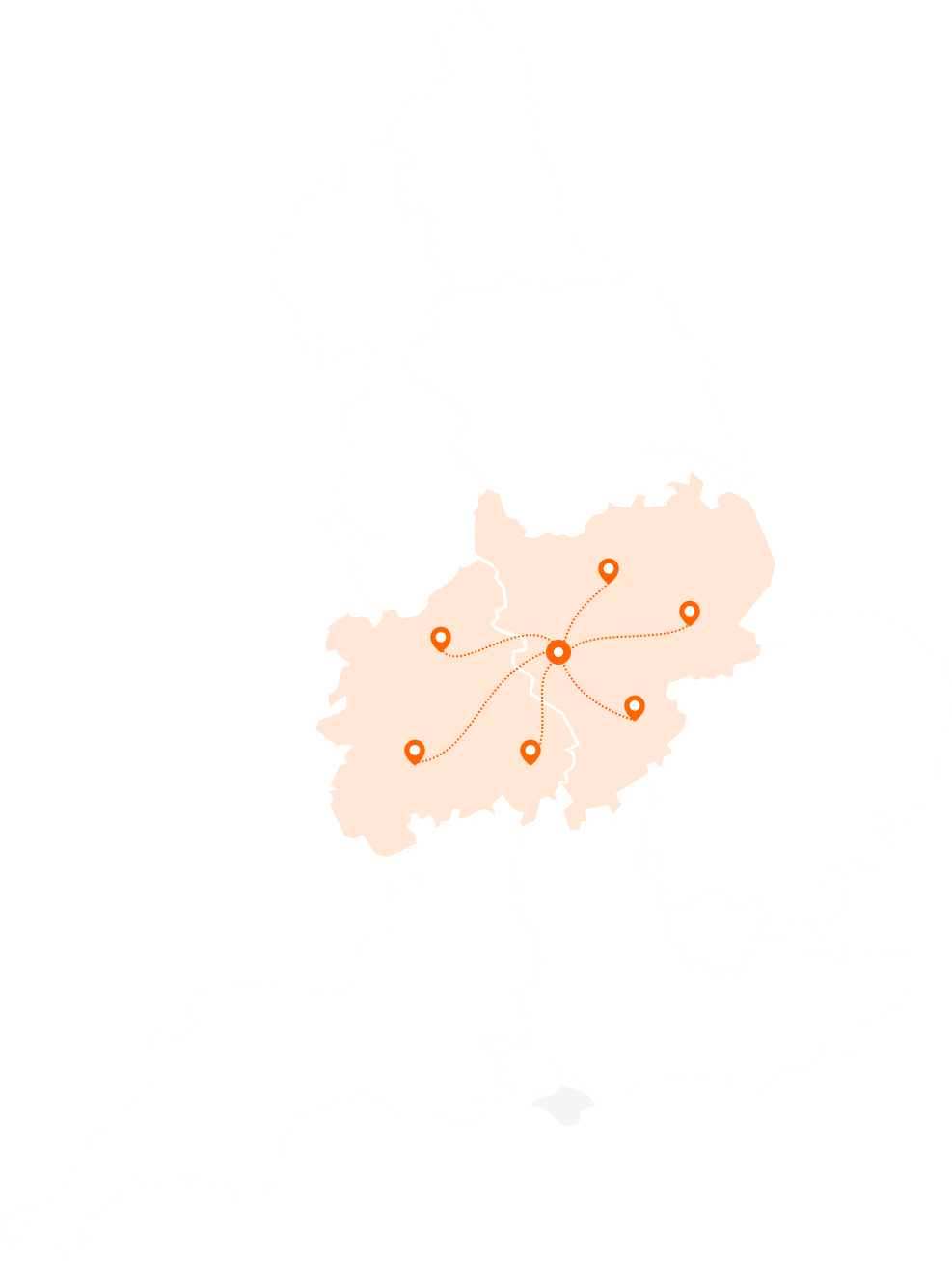
Map showing the areas covered around staffordshire-on-Trent
Stafford
Stoke-on-Trent
Newcastle-under-Lyme
Lichfield
Cannock
Uttoxeter
Chaddesden
Burton Upon Trent
Leek
Frequently asked questions

Can a terraced home in Staffordshire have a loft conversion?

Yes, many terraced homes can be converted, depending on the available head height, roof structure and staircase position.

How can I pay for Hallam Headway's services?

Cash & Digital payments are accepted.

How long does a loft conversion usually take?

The timescale depends on the size, design and complexity of the conversion, but this will be outlined before work begins.

Can I trust the people who are working on my home?

Absolutely, any work carried out by us will only ever be done by using our competent team who have all undergone relevant training as well as a DBS check.

Will I get warranty on materials, products and any work that is undertaken?

Yes you will receive manufacturers warranty on possible components as well as a two year guarantee upon completion of any works carried out.

What type of loft conversion is best for my home?

The most suitable option depends on your roof shape, available space, property type and how you want to use the new room.

Do loft conversions need Building Regulations approval?

Yes, loft conversions must meet Building Regulations covering structure, insulation, fire safety, ventilation and safe access.

Roofing & Loft Conversion History In Staffordshire, UK

The history of roofing and loft conversions in Staffordshire reflects the county’s varied architectural character, from rural cottages and historic market towns to Victorian terraces, industrial housing and modern suburban developments. During the 18th and 19th centuries, Staffordshire experienced major growth through industries such as pottery, coal mining, iron production and brewing. This expansion created demand for new homes across towns including Stoke-on-Trent, Stafford, Cannock, Lichfield and Newcastle-under-Lyme, many of which were built with durable pitched roofs designed to withstand the region’s wet and changeable weather.

Traditional Staffordshire roofs commonly used timber structures finished with clay tiles or natural slate. Clay was widely available throughout the county, and locally produced tiles became a familiar feature on cottages, farmhouses, terraces and industrial buildings. In some areas, darker Staffordshire tiles and decorative ridge details helped give properties a distinctive regional appearance. Steeply pitched roofs allowed rainwater to drain effectively while creating usable attic areas beneath the roofline.

In Victorian and Edwardian homes, loft spaces were generally used for storage, although larger properties sometimes contained simple attic bedrooms or accommodation for domestic workers. These rooms were often poorly insulated and had limited natural light compared with modern living spaces. As towns expanded during the Industrial Revolution, rows of terraced houses were built for workers, with many featuring traditional roof structures that can still be found throughout Staffordshire today.

During the 20th century, the county saw further housing development through suburban expansion and the construction of post-war estates. Semi-detached and detached properties became increasingly common, often providing larger roof spaces that were suitable for conversion. As families needed more room and moving home became more expensive, homeowners began transforming unused lofts into bedrooms, offices, bathrooms and playrooms.

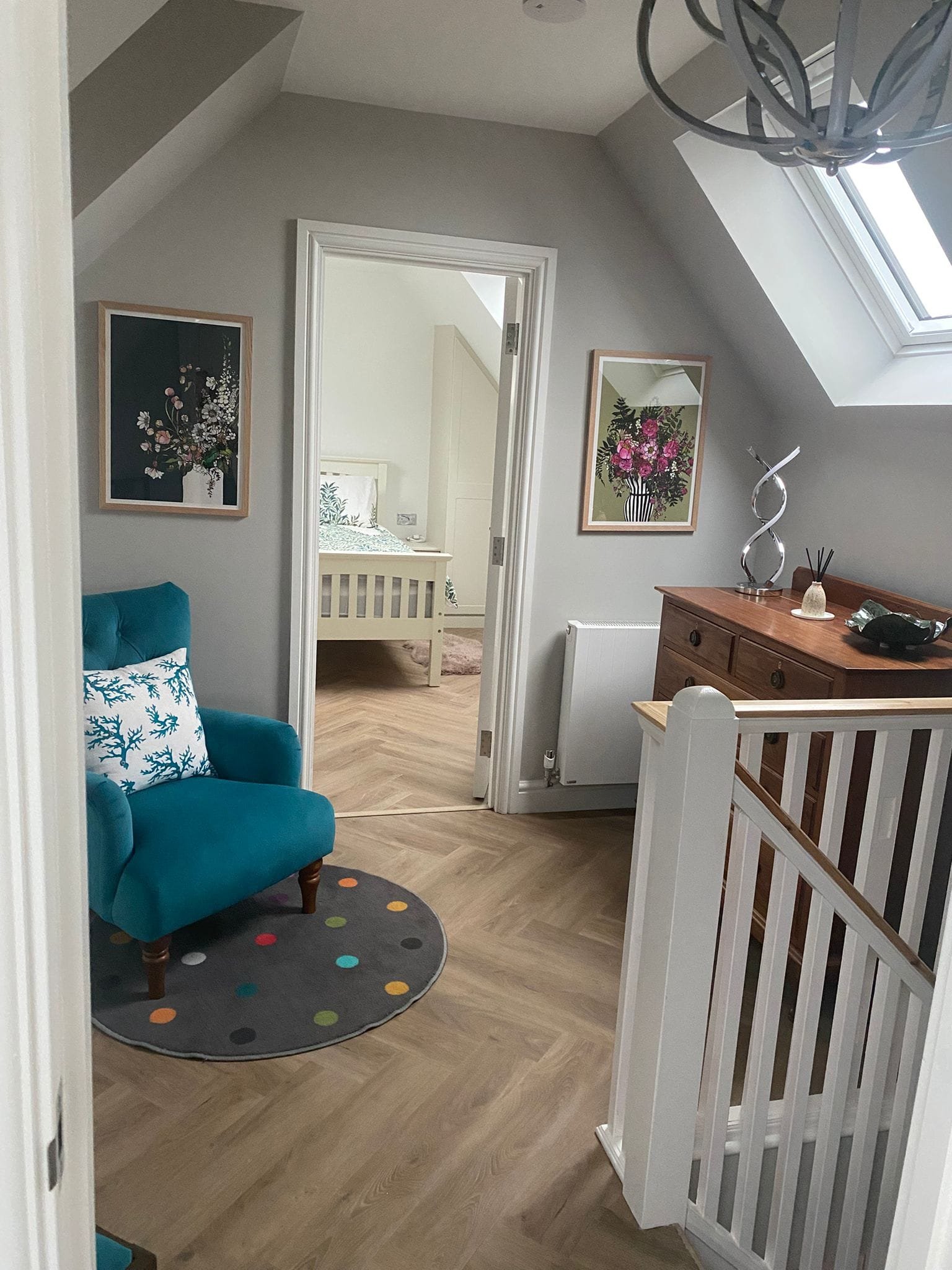
Modern roofing and loft conversion methods have made these spaces safer, brighter and more comfortable. Dormer conversions can increase floor area and headroom, while rooflight conversions offer a less intrusive way to introduce daylight and ventilation. Contemporary projects also include structural reinforcement, improved insulation, energy-efficient glazing and suitable access, helping converted lofts remain comfortable throughout the year.

Today, loft conversions are carried out across Staffordshire in a wide variety of properties, from traditional cottages and Victorian terraces to modern family homes. A carefully planned conversion can provide valuable additional space while respecting the style and proportions of the original building. This balance between preserving Staffordshire’s architectural heritage and adapting homes for modern living continues to shape roofing and loft conversion work throughout the county.